
My story
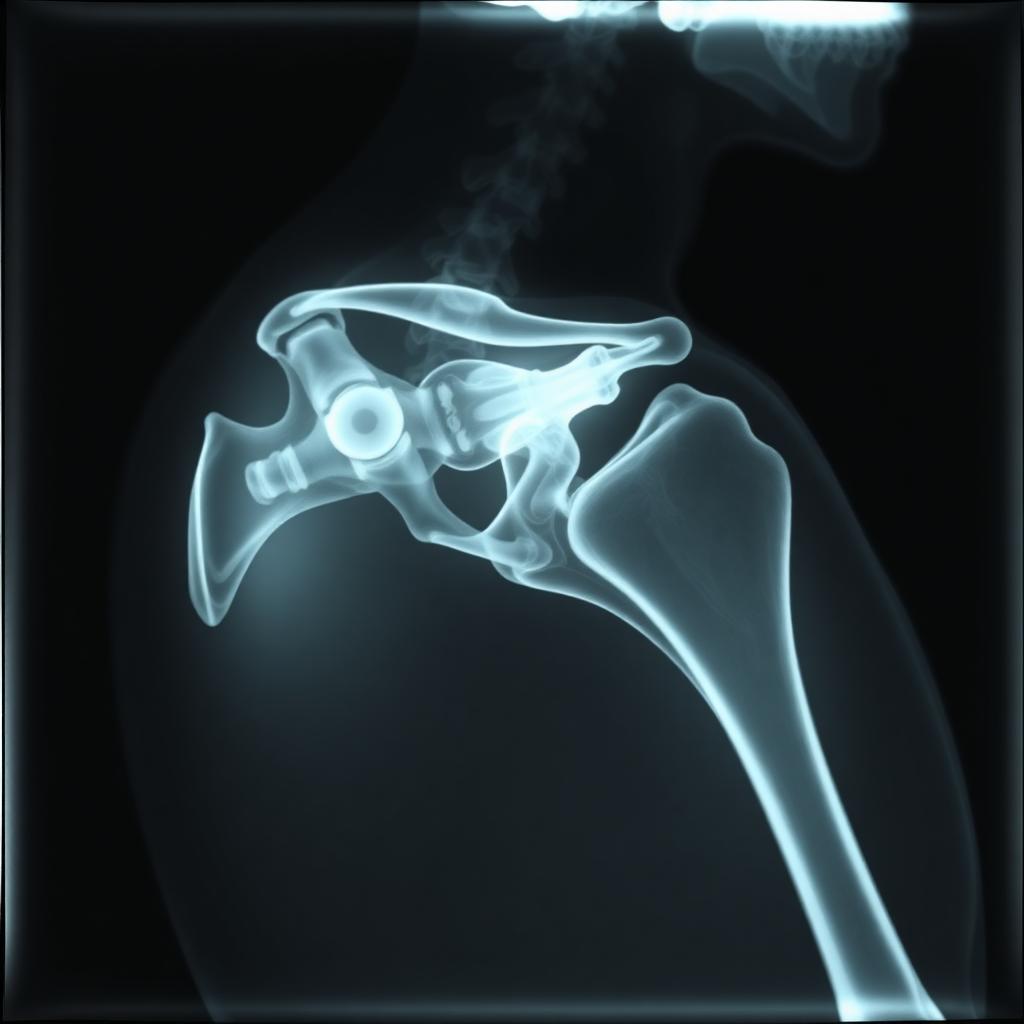
My shoulder started hurting and I brushed it off, an old mountain bike crash, I figured, finally catching up with me. I tried physical therapy. No change. I got an MRI expecting a torn rotator cuff. It was clean.
Meanwhile the pain kept climbing until even small movements were excruciating. No climbing. No backcountry rides. No sleeping on that side. I felt sidelined from my own life.
A second orthopedist finally named it: frozen shoulder. One well-placed steroid injection plus targeted PT, and I was back to the things I love.
I'm telling you this because frozen shoulder is widely missed in women in midlife, and it's far from random who it strikes.
What is frozen shoulder?
Frozen shoulder (adhesive capsulitis) is when the connective tissue capsule around your shoulder becomes inflamed and fibrotic. The result: deep pain and a shoulder that progressively locks up. It often doesn't show on imaging, which is why so many women bounce between providers without answers.
Frozen shoulder symptoms
Symptoms usually start gradually and worsen over months. The classic pattern is pain at rest and with movement, followed by a noticeable loss of range of motion. Many women first notice difficulty reaching overhead, behind the back, or across the body. Pain often disrupts sleep, especially when lying on the affected side.
If you are searching for what frozen shoulder feels like in perimenopause, the answer is often: a deep, aching shoulder pain that seems out of proportion to any recent injury and does not improve with rest, stretching, or standard physical therapy.
Why women in midlife
Frozen shoulder affects 2–5% of people overall, but the burden falls overwhelmingly on women between 40 and 60. In some Asian cultures it's even called "fifty-year shoulder."
A landmark 2024 review in Climacteric coined the term musculoskeletal syndrome of menopause to describe what more than 70% of women experience during the transition: joint pain, stiffness, and inflammation tied to falling estrogen. About a quarter are disabled by it.
Estrogen receptors live throughout your joints. Estrogen calms inflammation and limits fibrosis. When it drops in perimenopause, a 2025 review in the Journal of Clinical Medicine describes a shift toward exactly the inflammatory, scar-forming environment that drives frozen shoulder.
This is one reason I address joint, muscle, and hormonal symptoms together in my Perimenopause & Menopause service rather than treating the shoulder in isolation.
Does hormone therapy help?
Possibly. A Duke University study found women on hormone therapy had roughly half the rate of frozen shoulder compared to those not on it (about 4% vs. 7.7%). It's preliminary, not yet confirmed in large trials, but it's one more data point worth discussing with a menopause-trained clinician.
What actually works
- Early steroid injection into the joint. A 2024 network meta-analysis found intra-articular corticosteroids outperformed both PT alone and anti-inflammatories at 12 weeks. Most effective in the first three months of symptoms.
- Timed physical therapy. Aggressive stretching during the painful "freezing" phase can make it worse. PT works best once inflammation is calmed.
- Hydrodilatation and PRP injections are emerging options with growing evidence.
- Manage diabetes and thyroid disease, the two strongest medical risk factors.
Common questions about frozen shoulder and menopause
Is frozen shoulder a symptom of perimenopause?
It can be. While not every woman with perimenopause gets frozen shoulder, the risk is clearly higher during the menopause transition. Falling estrogen affects the connective tissue and inflammatory balance around joints, which appears to make shoulder capsules more vulnerable.
Can perimenopause cause shoulder pain without frozen shoulder?
Yes. Perimenopause shoulder pain and neck and shoulder pain are increasingly recognized as part of the broader musculoskeletal syndrome of menopause. The same hormonal shifts can contribute to joint stiffness, tendon irritation, and generalized aching even before a full frozen shoulder develops.
How is frozen shoulder treated in menopause?
Early diagnosis matters. An intra-articular corticosteroid injection, timed carefully, often gives the fastest relief. Physical therapy is most helpful once pain is controlled. Some women also discuss hormone therapy with a menopause-trained clinician, since estrogen appears protective, though evidence is still evolving.
The bottom line
If you're in your 40s or 50s with shoulder pain that isn't getting better, don't accept "it's just an old injury" or "your MRI is normal." Frozen shoulder is real, it's common in women in midlife, and the earlier it's caught, the easier it is to treat.
Trust your body. Push for the right diagnosis. There's a way back to the things you love.
For coordinated hormone, musculoskeletal, and ongoing care, learn more about the Arete membership.
Written by Michelle Mullins, AGACNP-BC, FNP-BC
Last reviewed/updated: July 14, 2026