
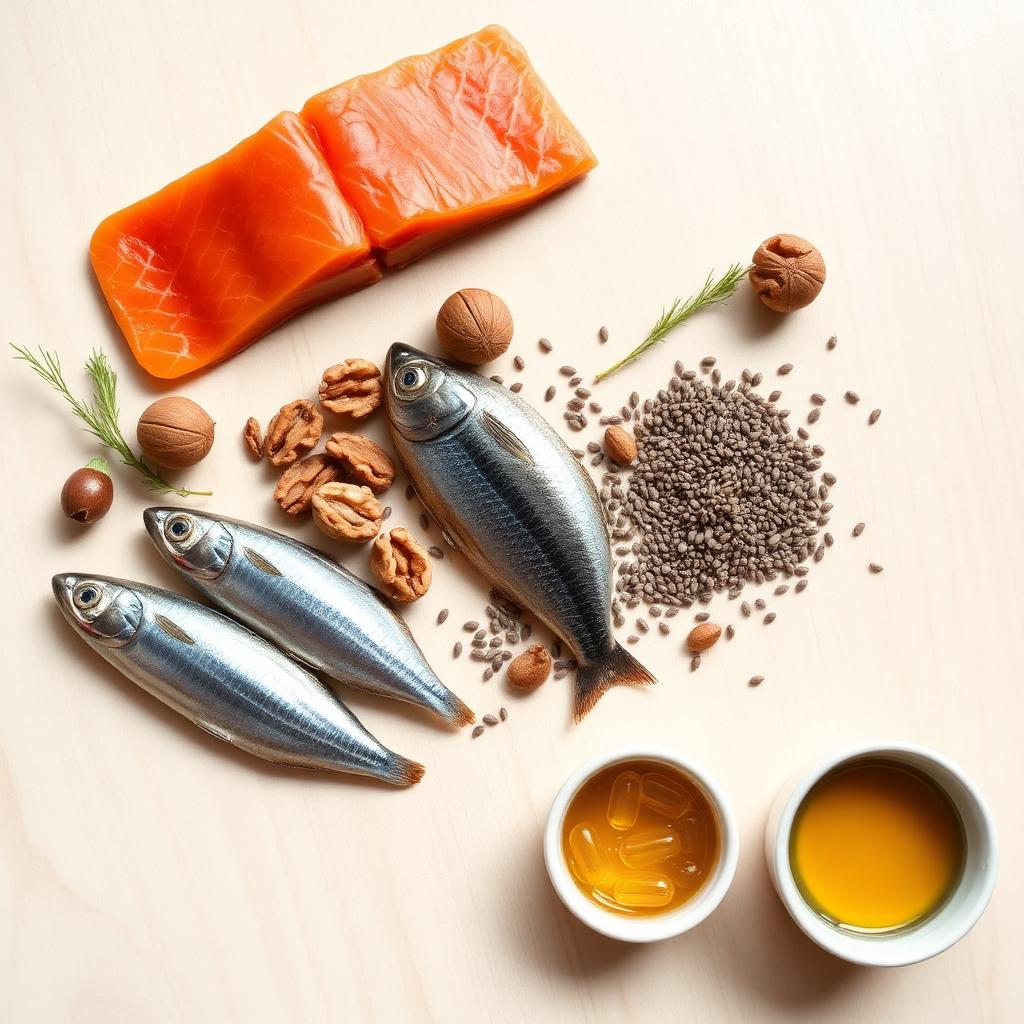
As a functional medicine nurse practitioner, I don't recommend supplements because they're trending. I look at your diet, health history, medications, and goals to determine whether an omega-3 supplement, and which type and dose, makes sense for you.
The Basics
Omega-3s are essential fats your body can't make on its own. There are three main types:
- EPA: found in fatty fish and marine oils; well studied for heart health and mood
- DHA: also from fish and algae; a key structural fat in the brain and eyes
- ALA: from flaxseed, chia, walnuts, and canola oil; converts to EPA/DHA only in small amounts, so it's not an equivalent substitute
Food first. The best sources are salmon, sardines, herring, mackerel, trout, and anchovies. If you don't eat fish, algae-based supplements provide DHA (and sometimes EPA).
Where the Evidence Is Strong
Heart health. Omega-3s can lower triglycerides and modestly reduce blood pressure. Prescription-strength EPA is used for patients with high triglycerides and cardiovascular risk, but that's different from over-the-counter fish oil and requires medical supervision. For most healthy adults, eating fish 1 to 2 times a week remains the standard recommendation.
Inflammation. This is one of the better-supported benefits. EPA and DHA are converted into specialized molecules (resolvins, protectins, and maresins) that actively help the body resolve inflammation rather than just suppress it. In rheumatoid arthritis specifically, meta-analyses show consistent reductions in joint pain, morning stiffness, and NSAID use after 3 to 4 months of supplementation. Evidence for vague "chronic inflammation" in otherwise healthy people is weaker, and omega-3s aren't a substitute for treating the underlying cause of inflammatory symptoms.
Mood. Several reviews suggest omega-3s (especially higher-EPA formulas) may modestly help as an add-on to standard depression treatment, not a replacement for therapy or medication.
Pregnancy. Adequate DHA supports fetal brain and eye development. Many prenatals include it, though amounts vary, worth discussing with your OB.
Where the Evidence Is Weak
- Memory/cognition: no consistent evidence that supplementation prevents cognitive decline in healthy adults
- Sleep: limited, inconsistent data; CBT-I remains first-line for chronic insomnia
- Dry eye: larger trials show mixed-to-minimal benefit
- Osteoarthritis: much less convincing than for rheumatoid arthritis
Is It Safe?
Generally well tolerated. Common side effects: fishy aftertaste, mild stomach upset, burping, loose stools. Higher doses may raise bleeding risk, especially if you're on blood thinners, so talk to your provider first. Because supplements aren't as tightly regulated as medications, look for third-party tested products.
Should You Take It?
Not everyone needs to. A supplement may make sense if you:
- Rarely eat fatty fish
- Have elevated triglycerides (under medical guidance)
- Are pregnant and need more DHA
- Have another evidence-backed reason, identified with your provider
If you already eat fatty fish regularly, you may not need to add anything.
The Bottom Line
Omega-3s aren't a cure-all, but they're not hype either. The real question is not "should everyone take fish oil?" but "is this likely to help my specific health goals?" That's where an individualized, evidence-based approach matters more than following a trend.
In a consultation, we look at your diet, history, medications, labs, and goals together. Sometimes the answer is more fatty fish. Sometimes it's a targeted supplement. Often, there are other changes that will move the needle more than another capsule.
Learn more about my Functional & Integrative Medicine approach.
Sources
NIH Office of Dietary Supplements; American Heart Association; Cochrane Database of Systematic Reviews (Abdelhamid et al., 2020); Molecular Psychiatry (Bernasconi et al., 2021); International Society for the Study of Fatty Acids and Lipids; ACC/AHA Guideline on Primary Prevention of Cardiovascular Disease; American College of Rheumatology.
Written by Michelle Mullins, AGACNP-BC, FNP-BC
Last reviewed/updated: July 18, 2026