
What is HRT?
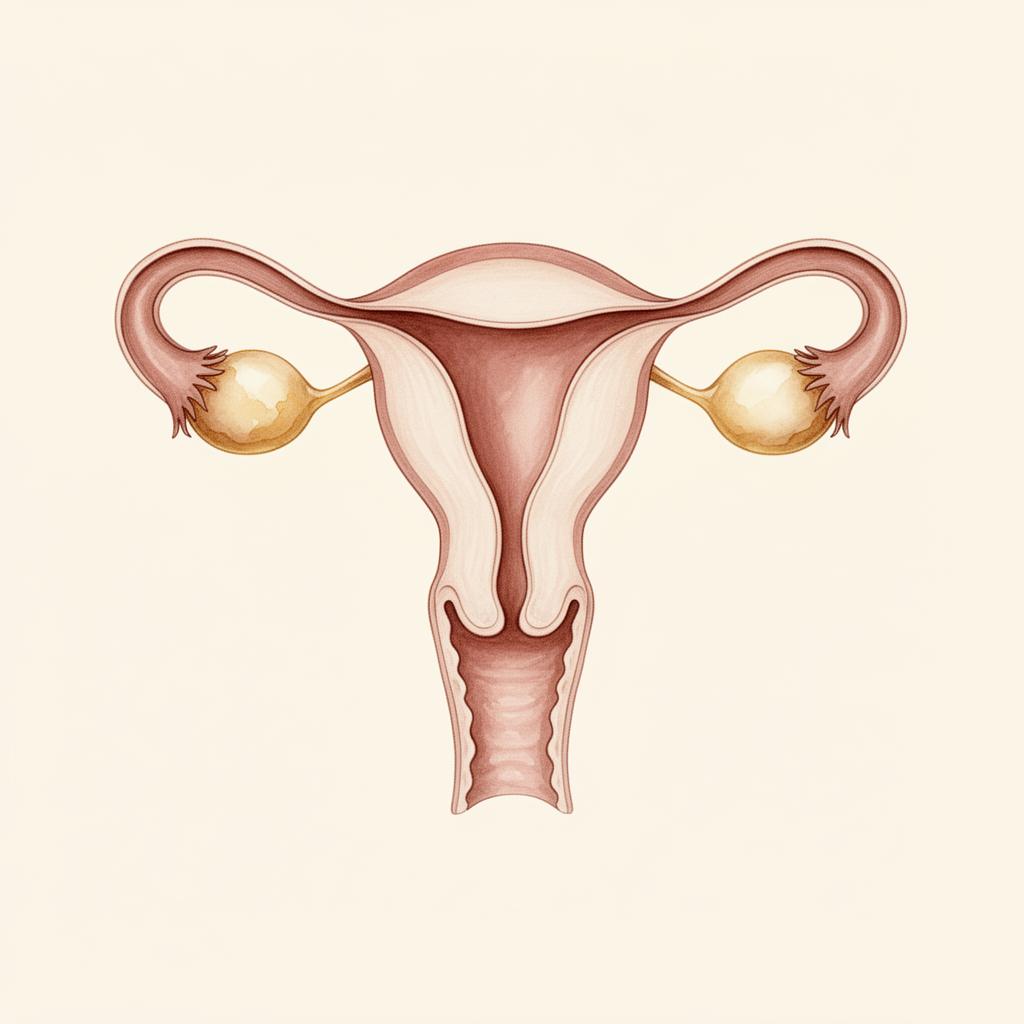
HRT stands for hormone replacement therapy, also called menopausal hormone therapy or MHT. It most commonly means estrogen, given with progesterone if you still have a uterus, to replace the hormones that decline during perimenopause and menopause. It can be delivered through pills, patches, gels, sprays, or vaginal products. The goal is to relieve symptoms caused by low estrogen, not to "turn back the clock."
Hormone therapy is the most effective treatment for moderate-to-severe hot flashes and night sweats, and it also helps with genitourinary symptoms like vaginal dryness and pain with sex. Decisions about HRT depend on your age, time since menopause, personal and family health history, and which symptoms are most disruptive. Learn more about how I approach this in my Hormone Replacement Therapy service.
Where the evidence is strongest
Hot flashes and night sweats. HT is the most effective treatment for moderate-to-severe vasomotor symptoms (VMS), full stop. Every major society guideline lists it as first-line when there are no contraindications, based on decades of randomized trial data.
Vaginal dryness, pain with sex, recurrent UTIs (genitourinary syndrome of menopause, or GSM). Low-dose vaginal estrogen is highly effective with minimal systemic absorption. A 2023 study in Obstetrics & Gynecology even supports its cautious use in many breast cancer survivors in coordination with their oncologist. Systemic HT helps too, but GSM often persists or returns when systemic-only therapy is stopped, so vaginal estrogen is frequently added or used on its own.
Bone loss. HT prevents postmenopausal bone loss and reduces fractures, and recent reviews (Mukherjee et al., Clinical Endocrinology, 2025) recognize it as a reasonable first-line bone option in women with early or natural menopause.
Where it usually helps, but indirectly
Sleep. If you're waking drenched, treating night sweats with HT improves sleep as a downstream effect. But if your sleep disruption is driven by primary insomnia, sleep apnea, anxiety, or restless legs, HT alone often won't fix it. A proper sleep evaluation matters.
Mood volatility. Evidence is strongest for perimenopausal mood symptoms tied to fluctuating estrogen, irritability, tearfulness, new-onset low mood near periods. For established major depression, HT can be a useful adjunct but isn't a replacement for evidence-based mental health treatment. Some recent data (Cambridge, Psychological Medicine, 2026) shows mixed mood outcomes on systemic HT, underscoring that individualization matters.
Brain fog. Many women report sharper thinking on HT, but most of that benefit appears to flow from better sleep, fewer hot flashes, and steadier mood. HT is not FDA-approved to prevent dementia. The "timing hypothesis", that HT started within 10 years of menopause or before age 60 may have neuroprotective effects, is biologically plausible and supported by some meta-analyses, but current guidelines do not recommend HT for cognition alone.
Who usually needs a different plan
- History of breast cancer, estrogen-sensitive cancers, unexplained vaginal bleeding, active liver disease, recent stroke, heart attack, or blood clots
- More than 10 years past menopause, or over age 60 at initiation (the risk-benefit balance shifts)
- Elevated clotting risk (transdermal estradiol is often safer than oral pills, a conversation worth having)
- Symptoms that don't fit a hormonal pattern: depression that predates perimenopause, thyroid disease, untreated sleep apnea
Evidence-based non-hormonal options include cognitive behavioral therapy for hot flashes and insomnia, SSRIs/SNRIs (paroxetine is FDA-approved for VMS), gabapentin, oxybutynin, and fezolinetant (a newer neurokinin-3 receptor antagonist).
The bottom line
Hormone therapy is the most effective treatment for hot flashes, night sweats, and GSM. It often helps sleep, mood, and clarity when those symptoms are being driven by hormonal change, and it's less useful when they're not. The right plan starts with which symptoms you have, when menopause began, your personal risk profile, and your goals, not a yes-or-no on hormones.
If you're considering HRT, book a free discovery call and I'll talk through whether it's the right next step for you.
Written by Michelle Mullins, AGACNP-BC, FNP-BC
Last reviewed/updated: July 14, 2026